A carbon offset program helping the environment and social justice in Upstate New York

Are you concerned about your carbon footprint? Well, what if you could make up for some of the emissions you generate through travel or heating your home or a business practice that burns fossil fuels. That’s where carbon offsets come in. And one organization in Upstate New York is using those carbon offset payments to help the planet, while helping low- and moderate-income households improve their energy impact and their comfort.

On this episode of Deeper Shade of Green, the Finger Lakes Climate Fund. The group Sustainable Finger Lakes created the program to help people install energy efficient and fossil fuel-free heating, cooling and other home upgrades. Co-founder and President Gay Nicholson and Outreach Coordinator Emily La explain the fund and how carbon offsets work. They also share how it allows families to participate in the important work to mitigate the climate crisis who might not have been able to participate on their own. the discussion also includes how climate change is affecting the Finger lakes region, as well as land-use concerns in an area that could well become a climate migration destination.

Deeper Shade of Green is produced with the assistance of Hector Perez for research and booking. Our music is from the Syracuse-based jazz group E.S.P.

Link to the episode can be found here.

Published
Categorized as News

Sustainability Week 2025 plants the seed of environmental action in campus community

(The Ithacan, 04-27-25, by Sadie Evans)

Ithaca College hosted Sustainability Week 2025 from April 16-26. Throughout the week, there were different events including a sustainability fair, a talk with a local climate leader, a student-led colloquium, pancakes in the IC Natural Lands and clothing sales.

At the sustainability fair, different campus and community organizations showcased their work at tables that spanned the length of Textor Hall. Some of the organizations included Recycling and Materials Management of Tompkins County, Finger Lakes Climate Fund, South Hill Forest Products and Backyard Flea. Not only did they educate the campus on their specialties, but they also had raffles and products for sale.

Scott Doyle, director of Energy Management and Sustainability at the college, said that getting people involved at a community level is a step toward positive change, and the sustainability fair has a way of bringing people from different backgrounds together.

“I helped [plan] the sustainability fair for the past two years, and it’s really fun,” Doyle said. “It’s a nice way to promote some of the stuff for the week. … We always get some good ideas talking to a community group that’s here or [a speaker] we set up.”

Doyle said Sustainability Week revolved heavily around student involvement, from conducting the student-led panel, presenting at the student work colloquium and tabling the sustainability fair.

Senior Julia Freitor tabled for South Hill Forest Products at the sustainability fair and its open house. This student-led company is run by the class, Farming the Forest: Non-Timber Forest Products. Everything at the open house, held April 26 in the Ithaca College Natural Lands, is produced and hand-crafted by the students in the class. A non-timber forest product are products that are not pulp or paper, lumber or composite materials.

“I’m really proud of how much I’ve made for this open house,” Freitor said. “I learned to carve my own utensils out of wood, I got to learn how to make bark baskets, … and I designed stickers for the open house. … I just tried to get as hands-on as possible.”

Apart from student-led activities, Doyle said the college hosted professional advocates for renewable energy and local sustainability in hopes of inspiring and encouraging students and faculty to create a greener future.

Terry Carroll, chief sustainability officer for Tompkins County, was the keynote speaker for Sustainability Week. On April 24, Carroll presented “Sustainable Detours and Destinations: My Experience and the Road Ahead for Municipalities.” The presentation talked about his non-linear career path to becoming a renewable energy advocate and his role in managing the Tompkins County Green Fleet Program, where he is in charge of two hundred government-owned electric vehicles in Tompkins County.

“I oversee our vision for the community at large,” Carroll said. “We look at what programs we can do to help the community decarbonize, reduce their greenhouse gas emissions and … work on those individual programs.”

During the talk, Carroll said clean energy was powering 40% of global electricity in 2024, and despite any worries people may have about charging their vehicles, he has hope for them in the coming years.

“There’s more people today saying that their next vehicle is going to be electric than there’s ever been before,” Carroll said. “And even though we’ve seen some issues surrounding tariffs and uncertainty around incentives, you can see this trend line yet again increasing … how many [electric vehicles] are sold year over year.”

Michael Smith, professor in the Department of History, was an audience member at this event. During the Q&A, Smith said he is a big advocate of reducing motorized vehicles in general, even electric ones.

“I ride my bike almost exclusively as a way of commuting year-round unless there’s snow on the road,” Smith said. “There’s still so many side effects of automobility in terms of road construction and runoff and other issues. [It’s] not just emissions that make cars bad.”

Carroll’s talk raised questions on how communities can work to create more eco-friendly transportation systems and discussed how Tompkins County can be a leading municipality in sustainability, especially as a silver-certified climate-smart community.

Carroll said implementations alone are not enough and the best way to pave a greener future is to bring the topic of sustainability into everyday conversations, both on local and national levels.

“A lot of the efforts that we’re doing are great, but if no one knows about them, it doesn’t really mean anything in the long run,” Carroll said. “Our hope is to really inspire change by not only walking the walk but also talking the talk.”

The week provided a series of successful events that got people interested in discussing the climate of our planet and the importance of renewable energy sources. Doyle said he believes the success of conservation comes from the collaborative efforts of, from climate leaders, students, faculty and community members.

“[Local sustainability] is bigger than any individual or any individual entity,” Doyle said. “ I think what this whole sustainability week is about is this connection of the community to celebrate the things we’re doing, but also good ideas for how to improve [things].”

Published
Categorized as News

‘Together for Tomorrow’: Earth Day Festival Returns to Ithaca

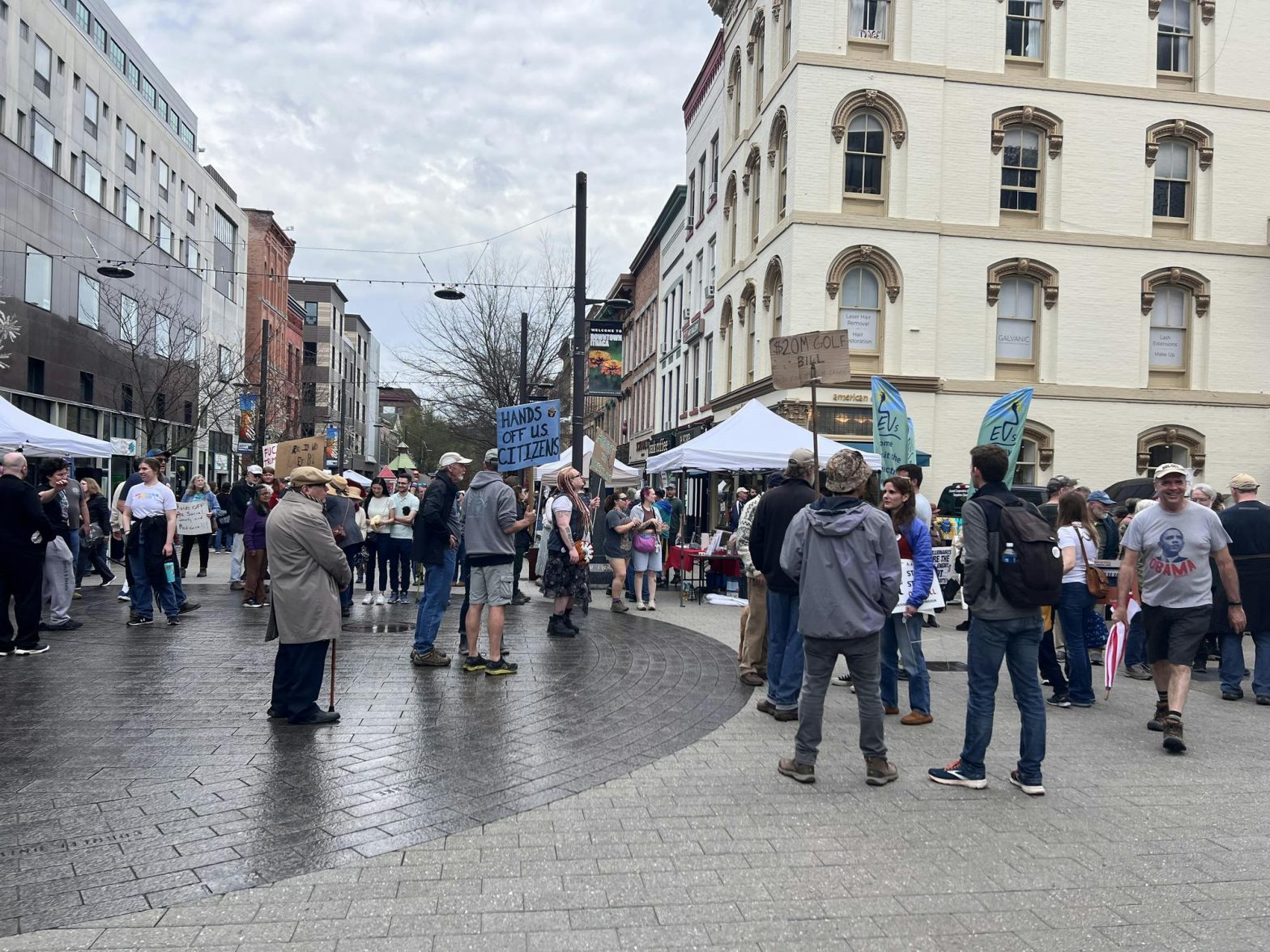
The second annual Earth Day Festival was held in the Ithaca Commons. Photo by Xavier Rolston / The Cornell Daily Sun

Xavier Rolston, The Cornell Daily Sun, Apr 21, 2025 Read the full article here. One of the interns for Sustainable Finger Lakes, Nicole Collins, Cornell ’25, tabled at the Ithaca Earth Day Event. Nicole discussed the organization’s initiatives, such as the Finger Lakes Climate Fund. “If someone, say, goes on vacation and travels in an airplane, they can give a carbon offset to our organization,” Collins said. “This is really unique because it’s local, and you can see the impacts, and put your carbon offsets into your own community.”

Published
Categorized as News

Mobile home heat pump pilot program aims to improve energy efficiency

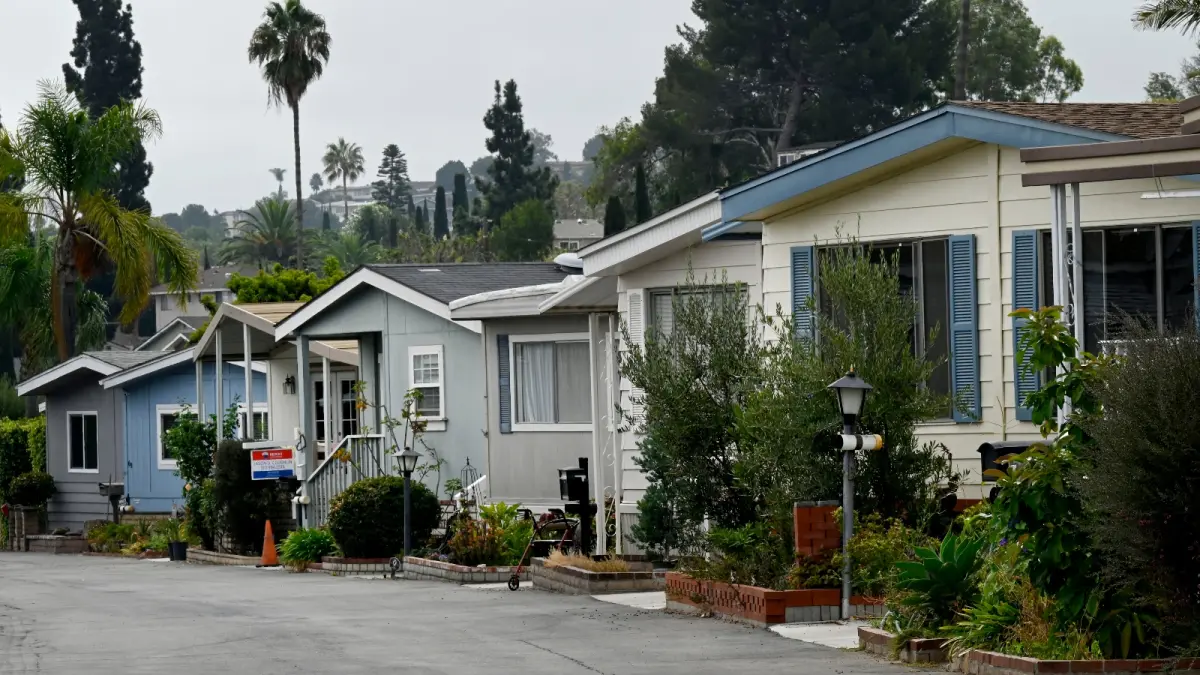
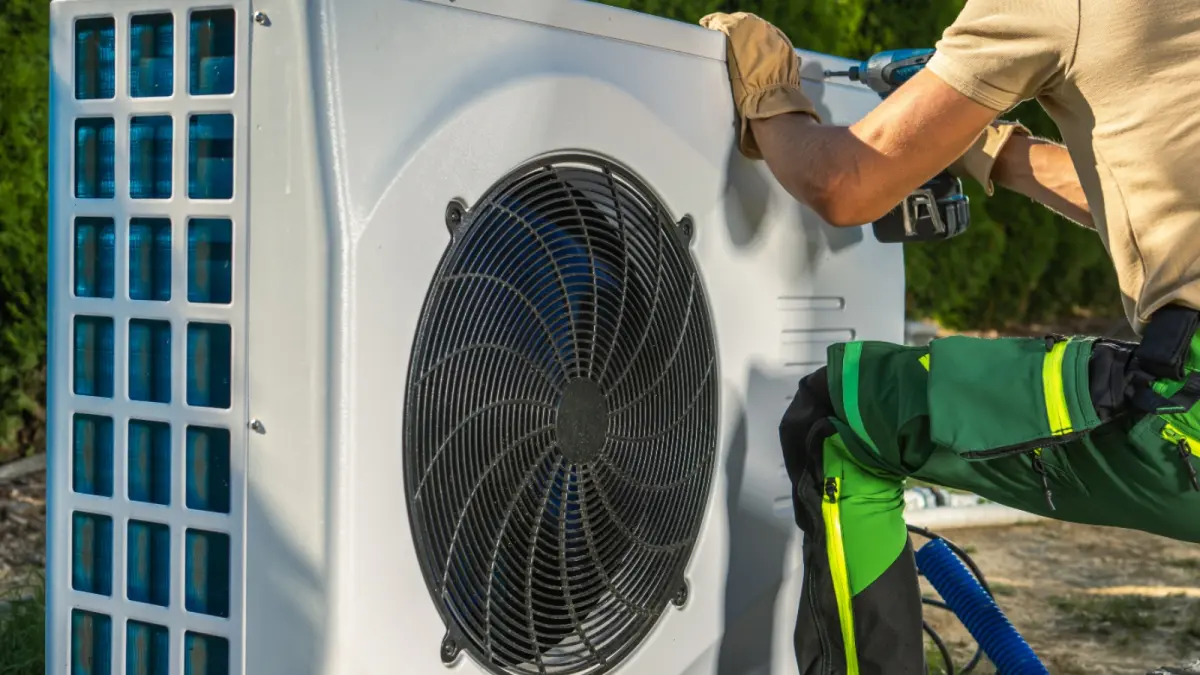
A new Ithaca pilot program is helping mobile home residents reduce energy bills, improve home comfort, and transition to clean heating with high-efficiency heat pumps. Mobile homes typically use more energy than site-built housing and often rely on costly fuels like propane or electric resistance heating. As a result, many residents—especially seniors and low-income households—face a high energy burden, spending a disproportionate share of income on utilities.

These households include seniors, retirees, and immigrant families – notably members of the Karen refugee community in Dryden. This Ithaca pilot program directly targets these challenges by installing electric heat pumps, which provide both heating and cooling with significantly greater efficiency.

Read the full article at the IthacaTimes.com

Home energy grants awarded to Newfield family

Newfield resident James Dannic, pictured here with his son, has lived in a mobile home for three years. After using propane to heat his mobile home in the winter, Sustainable Finger Lakes has awarded Dannic two grants to reduce carbon offset emissions and to install an air source heat pump. Photo provided

(Tompkins Weekly, 11-6-24, by Kevin L. Smith)

James Dannic has lived in the town of Newfield his entire life.

Dannic has lived in a mobile home with his son for the past three years. The home, however, gets too cold in the winter and too hot in the summer for the Dannics.

By Kevin L. Smith

Dannic uses propane to help heat his home, but it doesn’t do much to keep him and his son warm.

“While our fuel bills are predictable, it’s pretty high,” Dannic said. “You could smell it [the propane] all winter.”

Dannic decided to take action for a more comfortable living situation. It led to him receiving $1,925 from the Sustainable Finger Lakes (SFLX) Climate Fund to offset carbon emissions, and $5,500 from SFLX’s Tompkins Community Recovery Fund to install an air source heat pump in the Dannics’ home.

SFLX gave Dannic the organization’s 100th grant award. The other funding source also included Halco Energy, which has been tasked with installing Dannic’s new heat pump.

“We’re highlighting James and his family and also wanted to celebrate [the 100th grant] because it’s quite a milestone for local carbon offset funding,” said SFLX President Gay Nicholson. “We might be the oldest local carbon offset funding source now in the country.”

Since 2010, SFLX has offered climate grant funding to low-income families to help undertake critical energy efficiency upgrades, including insulation, air sealing and installing energy-efficient heating systems.

“The Finger Lakes Climate Fund has made a truly positive impact on our region,” said Katie Borgella, Tompkins County commissioner of planning and sustainability. “Utilizing carbon offsets to fund clean energy grants for residents and support local contractors and installers contributes to not only our greenhouse gas emission goals, but [contributes] to energy affordability and a robust local economy, as well. Both urban and rural communities in the Finger Lakes have access to this program. As a Newfield resident, I’m proud to see that the 100th grant went to support people living in my community. I’m glad to contribute to this program and see all the ways that Tompkins County and the Finger Lakes region are leaders in sustainability.”

SFLX noted in a release that the upgrades “not only help families save on energy costs but also contribute to significant reductions in greenhouse gas emissions.”

Once Halco Energy completes the repairs, Dannic is looking forward to lower costs.

“I’m also looking forward to my son breathing easier,” Dannic said.

SFLX’s climate fund program has awarded grants in 14 different counties in the Finger Lakes region. It has resulted in almost 10,000 tons of carbon emissions offset  and more than $175,000 invested back into communities.

“I designed our climate fund to be transparent and hyper local and to share the stories of people being helped so people know when others take responsibility for their carbon emissions,” Nicholson said. “They know where it’s going and that it helps out local families. It helps out our green collar energy workers and our local installers.”

The community recovery fund, which is attached to the Tompkins County Mobile Home Energy Upgrades project, helps to install heat pumps to significantly improve “the health, safety, comfort and affordability” of the specific residences, the release said.

Nicholson said that when mobile homes across the country switch to heat pumps, the lifetime cost savings reach over $20,000.

“[The program] is really critical, especially for senior citizens or babies that are out there in the mobile homes,” Nicholson said. “They’re very poorly insulated. We insisted they be brought up to the best insulation standard you can achieve before you put the heap pump in.”

The Dannic family is now part of a long list of Newfield-based families and organizations that have received climate funding from SFLX. That list includes Second Wind Cottages, Adam Miner, the late Becca Harber, Daniel Fenner, Megan Cosgrove and more.

A total of $17,693 in climate fund grants has been awarded in Newfield. SFLX noted that 24 town residents have donated money to the program, with Newfield resident Kitty Gifford providing 18 donations.

“Kitty used to be on our board of directors before she went back to school to get her master’s degree,” Nicholson said. “It’s been a wonderful gift for Kitty to give back to her community. It’s her way of helping low-income families right in Newfield.”

Nicholson is encouraging people from communities in the Finger Lakes region to either sign up for climate funding or consider donating, while also addressing social and environmental needs.

“It’s all about participating in helping others to make our community better and the need to reduce carbon emissions as a result,” Nicholson said.

Newfield Notes appears every week in Tompkins Weekly. Send story ideas to editorial@vizellamedia.com.

Published
Categorized as News

Electrification: Tech conference regarding electrifying homes and buildings in the Low-to-Moderate Income market

On September 20, 2024, New York State’s Department of Public Service (DPS), as part of the NYSERDA Clean Energy Events, hosted a conference in Albany to discuss the electrification of homes and buildings in the low-to-moderate income (LMI) market segment.  The conference was held in response to the Public Service Commission’s (PSC) Order on July 20, 2023, which directed the development of energy efficiency and building electrification proposals. This order is part of a statewide effort to transition away from fossil fuels, aiming to reduce greenhouse gas emissions and improve energy efficiency. The proposals, submitted by NYSERDA and New York’s major electric and gas utilities on November 1, 2023, focus on the years 2026 to 2030. They prioritize funding for the electrification of space and water heating in New York’s building stock, with a particular focus on the LMI market, as these communities are most at risk in the energy transition. The DPS aims to explore several key areas for developing an LMI energy efficiency and electrification strategy, including energy affordability, consumer protections, funding opportunities, and customer outreach and education. Gay Nicholson, President of Sustainable Finger Lakes (SFLX), was invited to participate in the morning panel with other front-line providers to share insights from their work helping LMI families make the transition to clean energy in both single family and multi-family settings. The panelists were asked to describe their programs and share insights including barriers and recommendations for advancing the electrification of LMI housing in NYS. Dr. Nicholson focused on the mobile home pilot project that is supported by a grant from the Tompkins County Recovery Fund. The project aims to retrofit 50 mobile homes with envelope improvements and heat pumps, targeting households earning below 300% of the federal poverty level. Tompkins County has over 4,000 mobile homes, predominantly in rural areas, housing a vulnerable LMI population, including seniors, young families, and immigrants. These homes are especially at risk for heat stress due to poor insulation. Through partnerships with county government, the Mobile Home Task Force, local agencies, and area installers, the project has successfully enrolled 78 households, completed 21 installations, and has 28 more in progress.    Partner Contributions Other key partners of SFLX also presented at the conference on the afternoon panel on priorities for LMI electrification policy, strategy, and programs, including Lisa Marshall, Hal Smith, and Lindsay Speer. Lisa Marshall is the Advocacy and Organizing Director for New Yorkers for Clean Power (NYCP), and formerly the Program Director of HeatSmart Tompkins. Under her leadership, HeatSmart Tompkins doubled program participation and increased the adoption of heat pumps in LMI households. A long-time advocate for building decarbonization, Lisa has been active in promoting equitable building electrification through education, lobbying, and grassroots campaigns. As an individual, she has also contributed to our Finger Lakes Climate Fund to offset her carbon footprint.  Hal Smith is the owner of Halco Energy, which offers energy services, including installing clean renewable energy systems. Halco, known for their commitment to sustainability, has been a key partner of Sustainable Finger Lakes, especially in completing 90% of the retrofits in the mobile home pilot project. Halco was also the first member of the Finger Lakes Enterprises for Climate Action (FLECA) and recently renewed their membership with a generous $5,000 carbon offset donation.   Lindsay Speer, the Senior Energy Planner at the Central New York Regional Planning and Development Board, was previously the Director of Community Programs and Operations for Alliance for a Green Economy. She was instrumental in her leadership role building the HeatSmart CNY campaign, where the campaign achieved the highest carbon emission reductions in the state. Lindsay has a deep commitment to environmental justice and has spent years working with local communities and Native Nations on environmental issues.   The work of SFLX and our key partners demonstrate the importance of taking an energy justice approach in the transition to clean energy. LMI communities, particularly renters, often lack control over their energy choices, making them more vulnerable to being left behind. The climate impacts of methane use and growing data on indoor air quality issues are additional challenges for these communities. The reality is that significant subsidies for LMI households will be necessary to ensure equitable access to clean energy, but the long-term goal should be to transition these groups en masse to renewable energy sources.  We are glad that our progress and recommendations were shared at the conference. We look forward to sharing more results as we continue our work on energy efficiency and electrification projects.  A big thank you to our individual offsetters and FLECA partners for making this work possible. Keep participating and supporting these important initiatives!

Published
Categorized as News

Regional program helps residents heat and cool their homes and save money

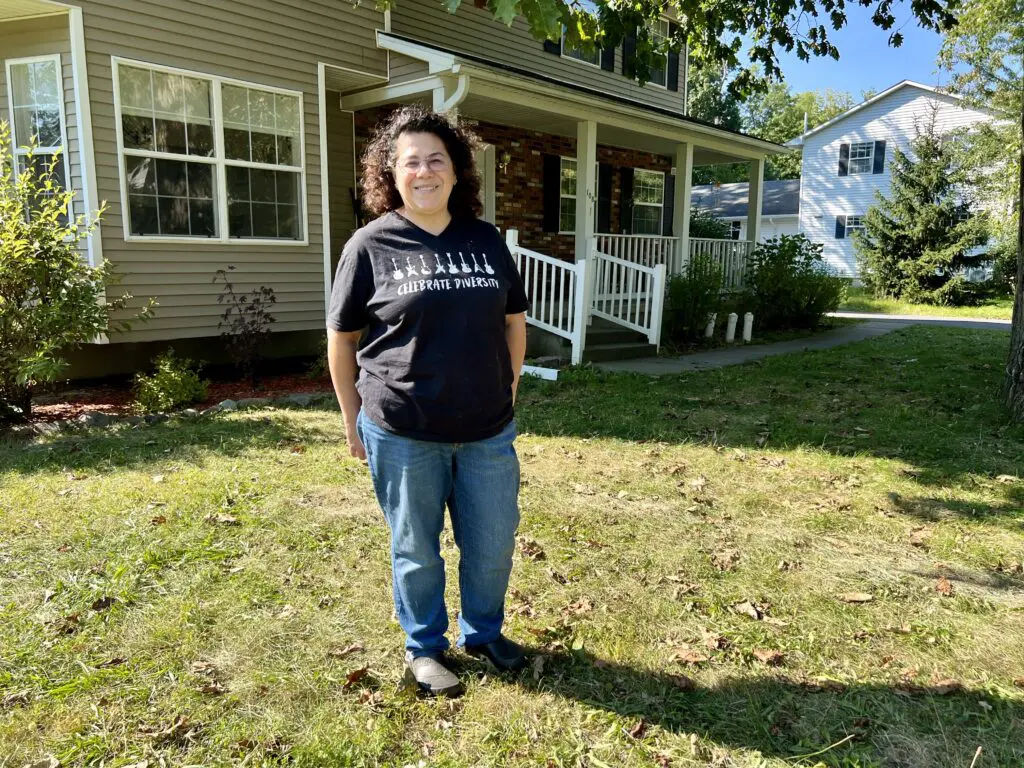
Florencia Ardon stands on the front lawn of the building she owns on Briarwood Drive in Ithaca. She resides in the front apartment and rents the back unit, and she recently upgraded the entire building with a new air-source heat pump, heat pump water heaters and an electric heating and cooling system, making the apartments more comfortable and energy efficient. Photo by Jaime Cone Hughes

(Tompkins Weekly, 9-11-24, by Jaime Cone Hughes) In 2022, when Florencia Ardon purchased the northeast Ithaca duplex on Briarwood Drive that she had called home as a renter for 10 years, she received some disheartening news from the home inspector: the building’s two water heaters would soon need to be replaced. It made Ardon anxious to think about them breaking down, but the cost to replace them was overwhelming. “I started looking at what it would cost to change out the water heaters, and I was quoted just regular gas, and it was over $8,000 per water heater,” she said, adding that she would need to purchase two, one for each two-bedroom apartment. “I was freaking out because I was thinking, many people say just wait, and if it dies then it dies, but as a very small landlord, I cannot have my tenants without hot water,” she said. “Everything takes so much time to get installed, so it was worrying me.” The other family in the building has young twin children. “If the [water heater] dies in the middle of winter, what are they going to do with two babies? It was very concerning to me,” Ardon said. With some help from the Smart Energy Choices program, which covers several counties throughout the Southern Tier, including Tompkins County, Ardon was able to replace the water heaters and also install heating and cooling upgrades to her home. Several local experts guided her through the process, and she said that the end result was affordable and has made her home, as well as that of her renters, more comfortable and energy efficient. With $39.6 million now available to low- and moderate-income residents in the state to help them save money on their energy bills, New York state is the first in the nation to offer the first phase of funding of the Inflation Reduction Act’s (IRA) Home Electrification and Appliance Rebates (HEAR) program. The funding, which was announced by the Gov. Kathy Hochul’s office in June, expands the already-existing EmPower+ program, allowing more families in need to make energy efficiency improvements and electrification upgrades. “This new funding means that it’s a great time to do home energy upgrades,” said Leigh Miller, community energy advisor for Smart Energy Choices, a program of Cornell Cooperative Extension Tompkins County. “Heating bills can add up, especially because here we heat for a lot of the winter,” said Miller, “but specifically, I’m thinking about prices.” In 2023, the state Public Service Commission approved three-year rate plans for customers of NYSEG and Rochester Gas and Electric Corporation (RG&E). Under the new rate plan, a NYSEG residential electric customer using 600 kilowatt-hours per month saw an average total monthly bill increase of $9.94 (10.3%) starting in November 2023; an $8.88 (8.4%) increase starting in May 2024; and will see an $11.34 (9.9%) increase starting in May 2025, according to the New York Department of Public Service. “Gas and electric rates both saw increases the past year, multiple times, and there will be another increase in the spring,” Miller said. “It’s a good time to weatherize so you’re not having to go higher than you need to with heating costs.” Through the program EmPower+ there were $5,000 and $10,000 grants already available for weatherization and heating systems, she said. “Add in the new funding — that means there is a lot available right now. It means up to $14,000 on top of those grants, so in total you might be looking at $24,000 or $19,000 in funding.” There are other resources available as well, including a free home energy assessment to see what could be improved and what funding could be available for specific improvements. Over 649 Tompkins County lower-income households participated in the low-income program between January 2018 and January 2024, Miller said. With the $10,000-plus in grants for eligible households, a homeowner could add additional insulation, air sealing and door sweeps, and make sure the windows have proper caulking. These efforts, especially when combined, can have a significant impact on both comfort and energy usage, according to Miller. With a free assessment by an approved local contractor, a homeowner would receive all of the information about how their home could be more efficient and decide which projects to implement. They could be worth pursuing, Miller said, as small cracks and gaps that allow air in can add up to the same heat or cool air loss as leaving a window open all year long. “Once air is escaping from somewhere, it has to be brought in from another area,” Miller said. “A little crack really does have an impact on your heat escaping.” The funding can also be used to replace inefficient appliances, especially refrigerators and water heaters. Homeowners can also access thousands of dollars to install heat pumps. There are special incentives for people residing in certain parts of Lansing and Ithaca, Miller said, and Smart Energy Choices can help people use all of the incentives they might be eligible for to their maximum advantage. Heat pumps are becoming increasingly popular for their efficiency and ability to maintain a stable temperature, and Miller said people also find them easy to use as well. According to NYSERDA, heat pumps outsold natural gas furnaces in 2022 and outsold them at a higher margin in 2023. “So based on the national numbers, they’re gaining in popularity,” Miller said. “Folks with climate motivations can pair it with solar electricity and be more on the greener side of things.” Despite their positive qualities and increased prevalence, the relatively high cost of installing heat pumps can be prohibitive for the average homeowner. The incentives available are designed to alleviate some of that expense, and there are multiple reasons to switch to heat pumps. “There are lots of benefits to them,” Miller said. “They have just been financially out of reach to install for a lot of folks. This new funding kind of turns the tables.” There are two types of heat… Continue reading Regional program helps residents heat and cool their homes and save money

Published
Categorized as News

Mobile homes could be a climate solution. So why don’t they get more respect?

Original article by Siri Chilukuri, Grist

We like to denigrate manufactured housing, but new units are better for the environment.

Ithaca bets on heat pumps in mobile homes

Original article by Siri Chilukuri, Grist

The upstate New York city would be one of the first in the country to tackle the energy woes of affordable housing.

Mobile homes might be easier on the budget, but their energy use is massive.

That’s where Hutchinson’s day job comes in. She’s a coordinator at Finger Lakes Climate Fund and Sustainable Finger Lakes. She’s directing a program that gets heat pumps into mobile homes — one of the first in the United States.

Hutchinson has one in her own mobile home, installed after her propane furnace died last year.

Mobile homes are an often forgotten segment of the affordable housing market.

“We’ve had a lot of housing conversations for a long time in this county, but nobody ever talks about mobile homes,” said Gay Nicholson, president of Sustainable Finger Lakes. “We feel like there’s a population there that’s more and more vulnerable.”

The hope is to install heat pumps in 50 mobile homes in the area by the end of this year. The program is funded by a grant from Tompkins County, the county that encompasses Ithaca, and will help offset the costs of installing these heat pumps. Sustainable Finger Lakes will also help owners find other funding to pay for any remaining costs or in some cases access low-interest loans from the state. The goal is to make heat pumps as affordable as possible, according to Nicholson.

“I’m really grateful that New York State has finally embraced the reality that we are going to have to, as ratepayers or taxpayers, provide a helping hand to low-income people to transition their energy supply,” said Nicholson.

The heat pumps could have massive implications for energy efficiency — Nicholson estimates that mobile home owners use 70 percent more energy than people who live in other types of housing.

“So that means there’s a lot of energy poverty for low-income folks in those homes, and many of them are seniors who have, you know, maybe had to downsize out of their homes that they could no longer afford,” said Nicholson.

Mobile homes encompass a large amount of the affordable housing in the U.S., outpacing all other types of affordable housing according to Linda Shi, a professor of city and regional planning at Cornell University in Ithaca.

Mobile homes roughly fall into two categories: older homes and newer prefabricated homes where the components for those houses are all made in factories and then built onsite. The difference is substantial and has implications for how resilient mobile home owners could be to climate change.

“For the older units, the quality of the housing and of the infrastructure may be significantly substandard,” said Shi. “And that can mean that they are less well insulated, so they are more exposed to heat and cold.”

Newer mobile homes are often better insulated and built, but they too are vulnerable to different climate events, including extreme heat and cold. Heat pumps can make a huge difference for homeowners.

“As the climate warms, we have hotter summers or longer periods of heat spells — having a heat pump that can cool as well as heat is just like the biggest benefit.” said Hutchinson.

Mobile homes are more vulnerable to almost every type of climate event that can occur, from flooding to extreme heat to hurricanes and tornadoes. After tornadoes leveled mobile home parks in Mississippi earlier this year, mobile home owners got another stark reminder of how susceptible they are to extreme weather caused by climate change.

As the country starts to shift off of fossil fuels, Hutchinson hopes that mobile home renters and owners are prioritized.

“The ideal is nobody’s left behind as we transition to this clean energy future that we talked about,” said Hutchinson.

Published
Categorized as News